
Drawing Of The Reaction Of Hydrochloric Acid With Water
Drawing Of The Reaction Of Hydrochloric Acid With Water - This process is a highly exothermic reaction. Hcl +hx2o hx3ox+ +clx− h c l + h x 2 o h x 3 o x + + c l x −. Draw the structures of methanol (\(\mathrm{ch}_{3}\mathrm{oh}\)), acetic acid (\(\mathrm{ch}_{3}\mathrm{cooh}\)), and methane (\(\mathrm{ch}_{4}\)) and write a potential reaction with water. Hydrochloric acid + magnesium →. (ii) state why such an arrangement is necessary. For example, the reaction of equimolar amounts of hbr and naoh to give water and a salt (nabr) is a neutralization reaction: Hcl (aq) ⇌ h + (aq) + cl − (aq) As a general concept, if a strong acid is mixed with a weak base, the resulting solution will be slightly acidic. (iii) write the chemical equation for the laboratory preparation of hcl gas when the reactants are: For example, hydrochloric acid, hcl, as a strong acid it donates a proton to water, h2o, to form the hydronium ion, h3o plus, and the conjugate base to hcl which is the chloride anion, cl minus. (iii) write the chemical equation for the laboratory preparation of hcl gas when the reactants are: This process is a highly exothermic reaction. Give two reasons for the same. The water dissociation constant remains the same whether the aqueous solution is neutral, acidic, or basic, i.e.: In this reaction, a proton is transferred from hcl (the acid, or proton donor ) to hydroxide ion (the base, or proton acceptor ). Hydrochloric acid is a strong acid, stronger than water, so it’ll force water to act as a base instead. If the base is a metal hydroxide, then the general formula for the reaction of an acid with a base is described as follows: The acid dissociation or ionization constant, k a, is large, which means hcl dissociates or ionizes practically completely in water. Acid + metal → salt + hydrogen. A class practical on reacting magnesium with hydrochloric acid and how to measure the rate of reaction. As a general concept, if a strong acid is mixed with a weak base, the resulting solution will be slightly acidic. Hcl (aq) ⇌ h + (aq) + cl − (aq) Even in the absence of water, hydrogen chloride can still act as an acid. The reaction takes place as follows: (iii) write the chemical equation for the laboratory preparation. Hcl(aq) hx+(aq) +clx−(aq) h c l ( a q) h x + ( a q) + c l x − ( a q) i understand that when added to water the h h leaves its electron to the cl c l atom forming the clx− c l x − and the h h attaches to water to form the hydronium. In reality, this reaction reaches an equilibrium. Even in the absence of water, hydrogen chloride can still act as an acid. For example, hydrochloric acid, hcl, as a strong acid it donates a proton to water, h2o, to form the hydronium ion, h3o plus, and the conjugate base to hcl which is the chloride anion, cl minus. (i) draw a. Through a process known as hydrolysis, the ions produced when an acid and base combine may react with the water molecules to produce a solution that is slightly acidic or basic. Here’s the best way to solve it. (iii) write the chemical equation for the laboratory preparation of hcl gas when the reactants are: Includes kit list and safety instructions.. This reaction highly favors the formation of products, so the reaction arrow is drawn only to the right. The water dissociation constant remains the same whether the aqueous solution is neutral, acidic, or basic, i.e.: The following equation is used for calculating acid and base molarity where the concentration is given in wt %: Mw = molecular weight (or formula. The ionization of hydrochloric acid in water is given below: Acid + metal → salt + hydrogen. Acid plus base yields water plus salt. The resulting solution is called hydrochloric acid and is a strong acid. This process is a highly exothermic reaction. Acid + metal → salt + hydrogen. [ (% × d) / mw] × 10 = molarity. A class practical on reacting magnesium with hydrochloric acid and how to measure the rate of reaction. In this reaction, a proton is transferred from hcl (the acid, or proton donor ) to hydroxide ion (the base, or proton acceptor ). If the. (iii) write the chemical equation for the laboratory preparation of hcl gas when the reactants are: If the base is a metal hydroxide, then the general formula for the reaction of an acid with a base is described as follows: Draw the structures of methanol (\(\mathrm{ch}_{3}\mathrm{oh}\)), acetic acid (\(\mathrm{ch}_{3}\mathrm{cooh}\)), and methane (\(\mathrm{ch}_{4}\)) and write a potential reaction with water. Hydrochloric. Hcl (aq) ⇌ h + (aq) + cl − (aq) [ (% × d) / mw] × 10 = molarity. The ionization of hydrochloric acid in water is given below: Even in the absence of water, hydrogen chloride can still act as an acid. This process is a highly exothermic reaction. Hcl +hx2o hx3ox+ +clx− h c l + h x 2 o h x 3 o x + + c l x −. In reality, this reaction reaches an equilibrium. (i) draw a diagram to show the arrangement used for the absorption of hcl in water. (iii) write the chemical equation for the laboratory preparation of hcl gas when the. Give two reasons for the same. Hcl(aq) hx+(aq) +clx−(aq) h c l ( a q) h x + ( a q) + c l x − ( a q) i understand that when added to water the h h leaves its electron to the cl c l atom forming the clx− c l x − and the h h attaches to water to form the hydronium ion ( hx3ox+ h x 3 o x + ). As a general concept, if a strong acid is mixed with a weak base, the resulting solution will be slightly acidic. Use appropriate tools to draw a schematic representation of the products, showing the hydrated ions and water molecule orientation. Hcl (aq) ⇌ h + (aq) + cl − (aq) Hcl +hx2o hx3ox+ +clx− h c l + h x 2 o h x 3 o x + + c l x −. Hydrochloric acid + magnesium →. In this reaction, a proton is transferred from hcl (the acid, or proton donor ) to hydroxide ion (the base, or proton acceptor ). In other words, every molecule of hydrochloric acid that is added to water will donate its proton, h+, to water molecule to form a. This process is a highly exothermic reaction. Mw = molecular weight (or formula weight). Here’s the best way to solve it. The reaction takes place as follows: Includes kit list and safety instructions. Through a process known as hydrolysis, the ions produced when an acid and base combine may react with the water molecules to produce a solution that is slightly acidic or basic. (ii) why is such an arrangement necessary?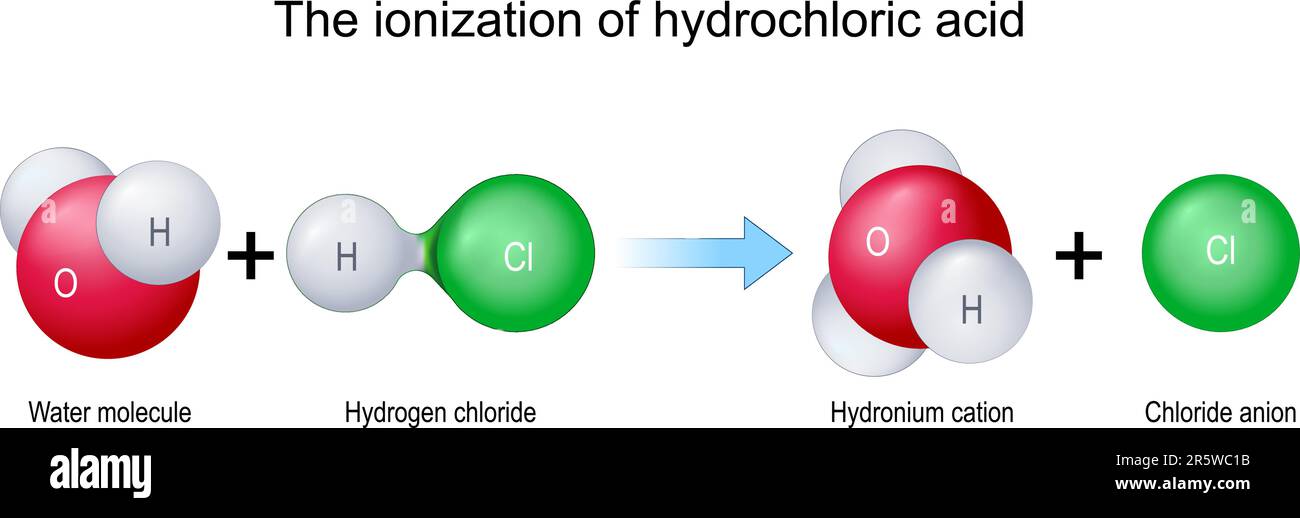
The ionization of hydrochloric acid. Molecules H2O and HCl combine to

Reaction of Hydrochloric Acid with Water, Chemistry Lecture Sabaq.pk
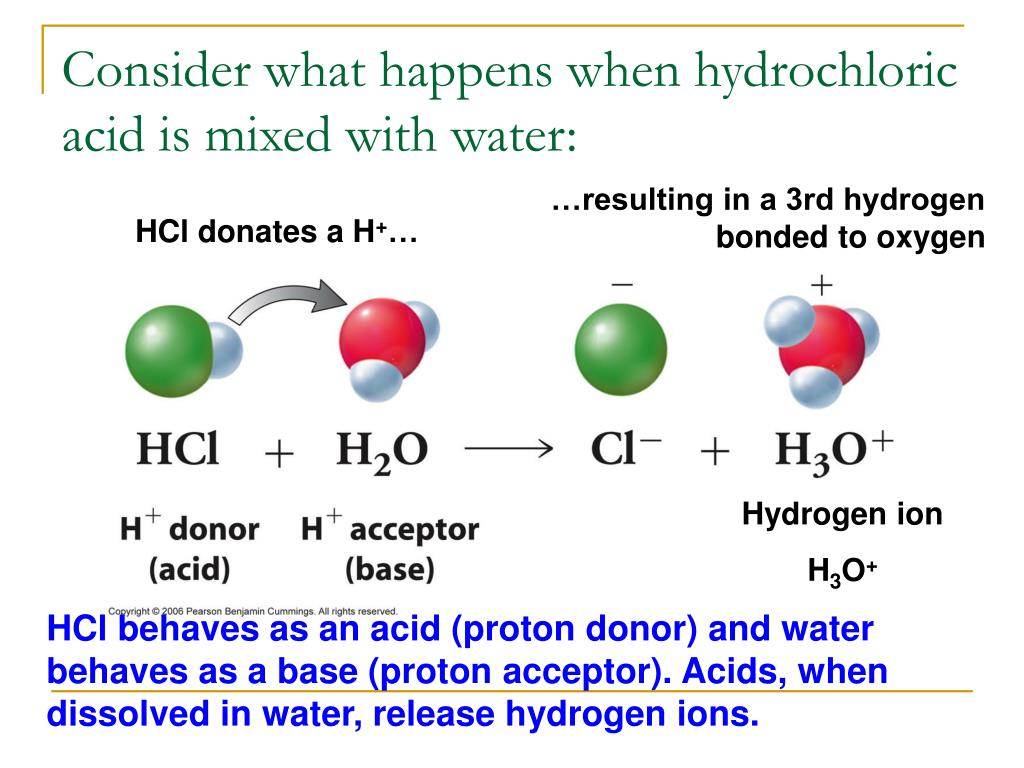
PPT Unit 7 Acids and Bases PowerPoint Presentation, free download
![[DIAGRAM] Phase Diagram Hcl Water](http://c8.alamy.com/comp/H3N06T/diagram-of-the-laboratory-preparation-of-carbon-dioxide-from-hydrochloric-H3N06T.jpg)
[DIAGRAM] Phase Diagram Hcl Water
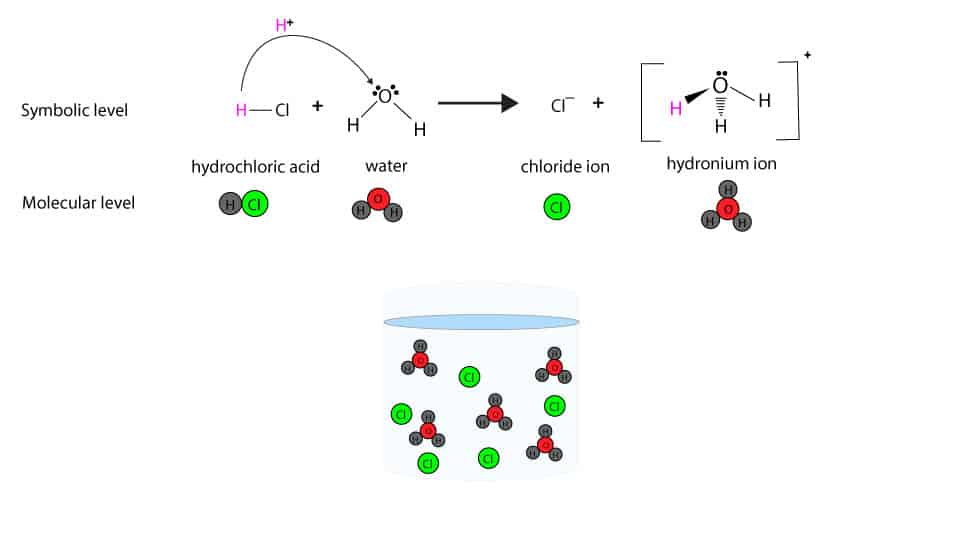
Chemical Equation For The Acid Ionization Of Hydrochloric Hcl In Water
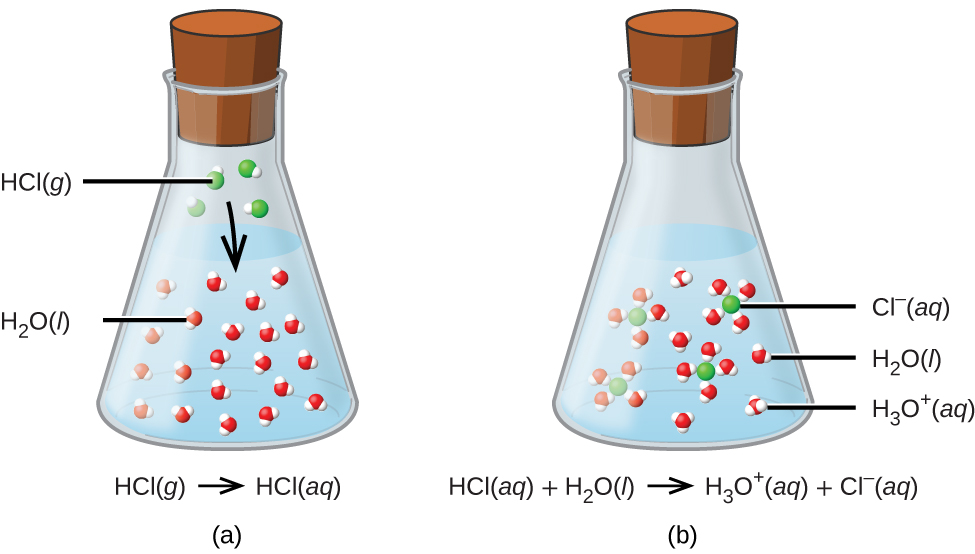
4.3 AcidBase Reactions Introduction to Chemistry
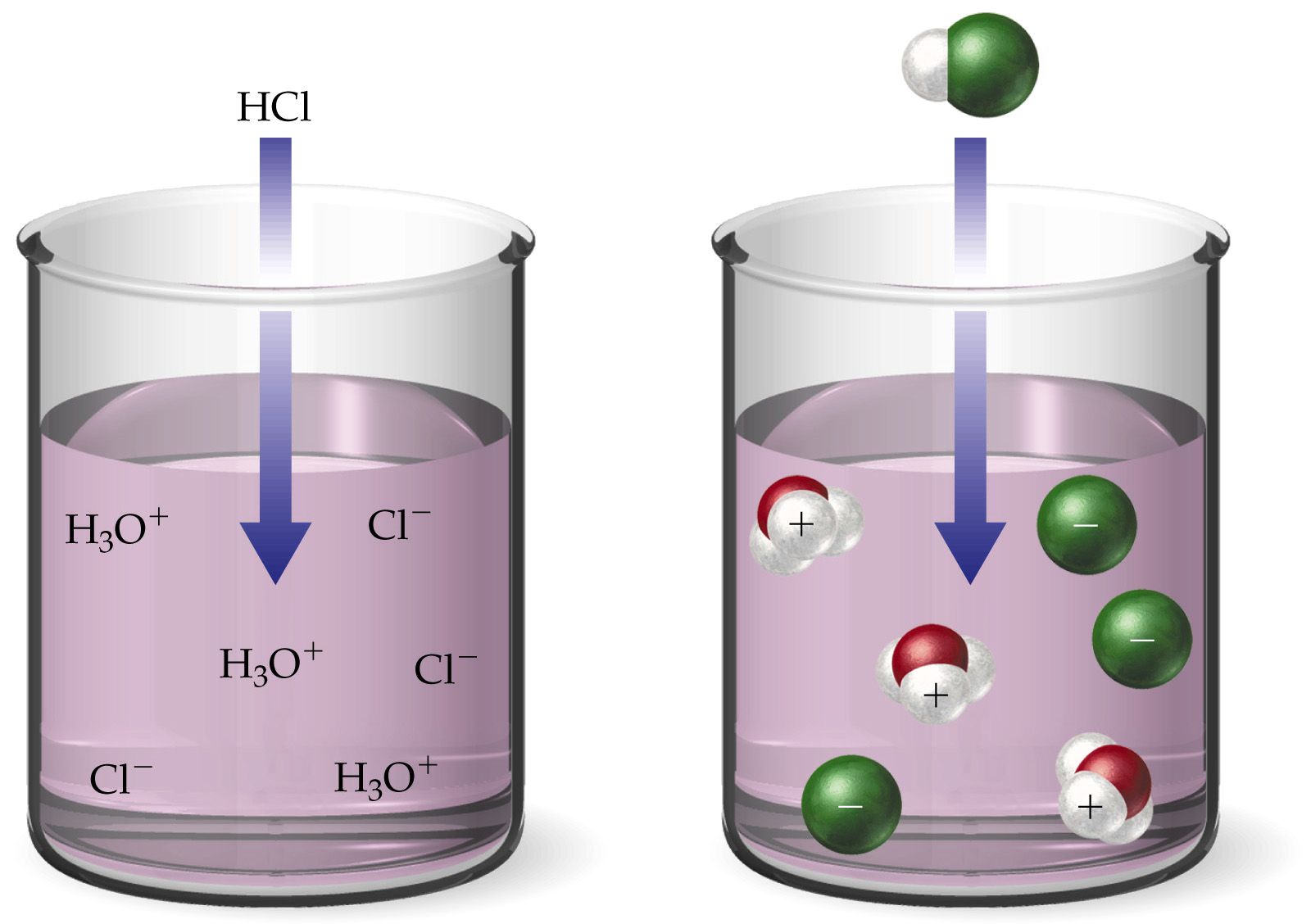
What is the chemical equation for HCl dissolving into water and
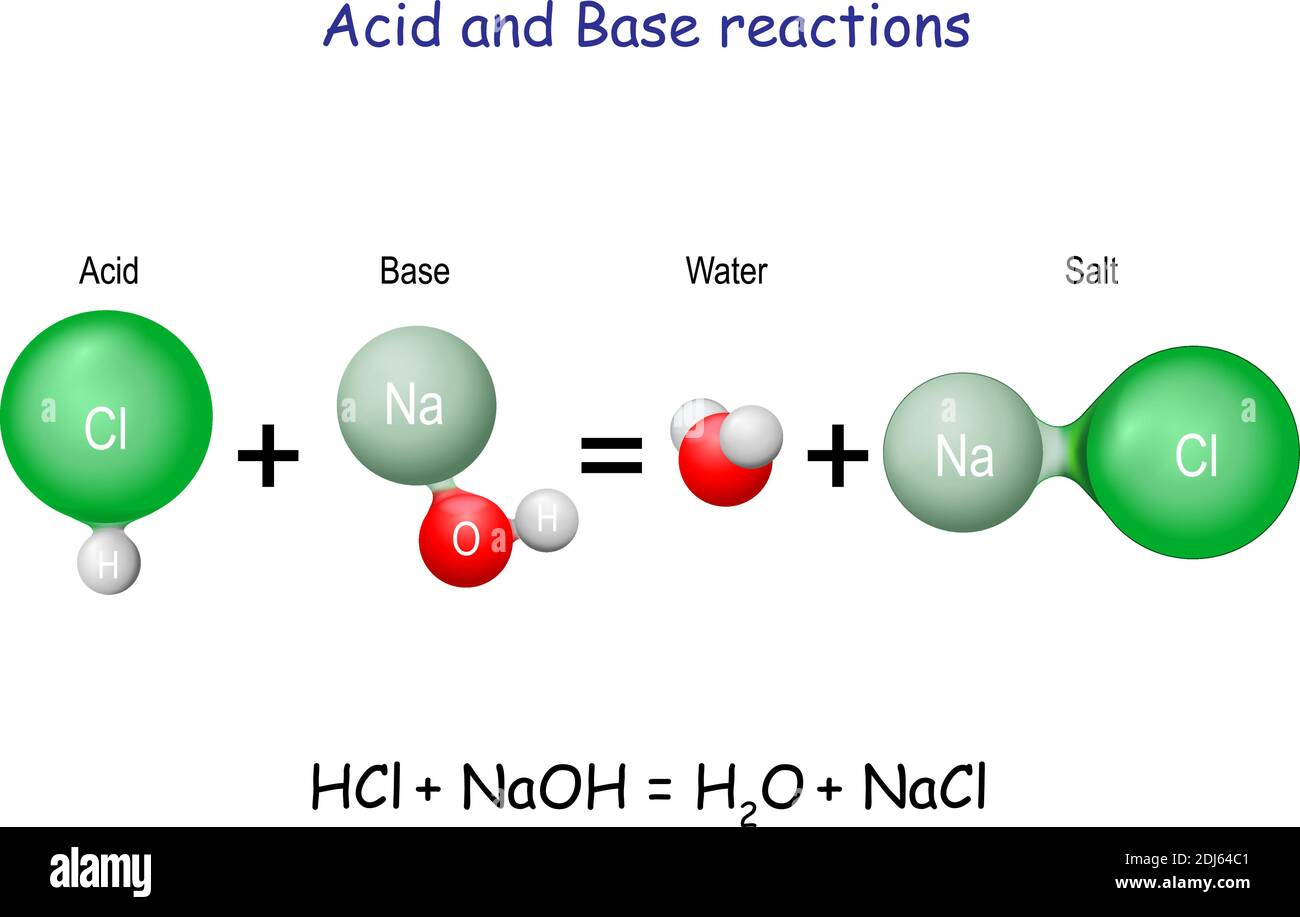
Hydrochloric acid molecule Stock Vector Images Alamy
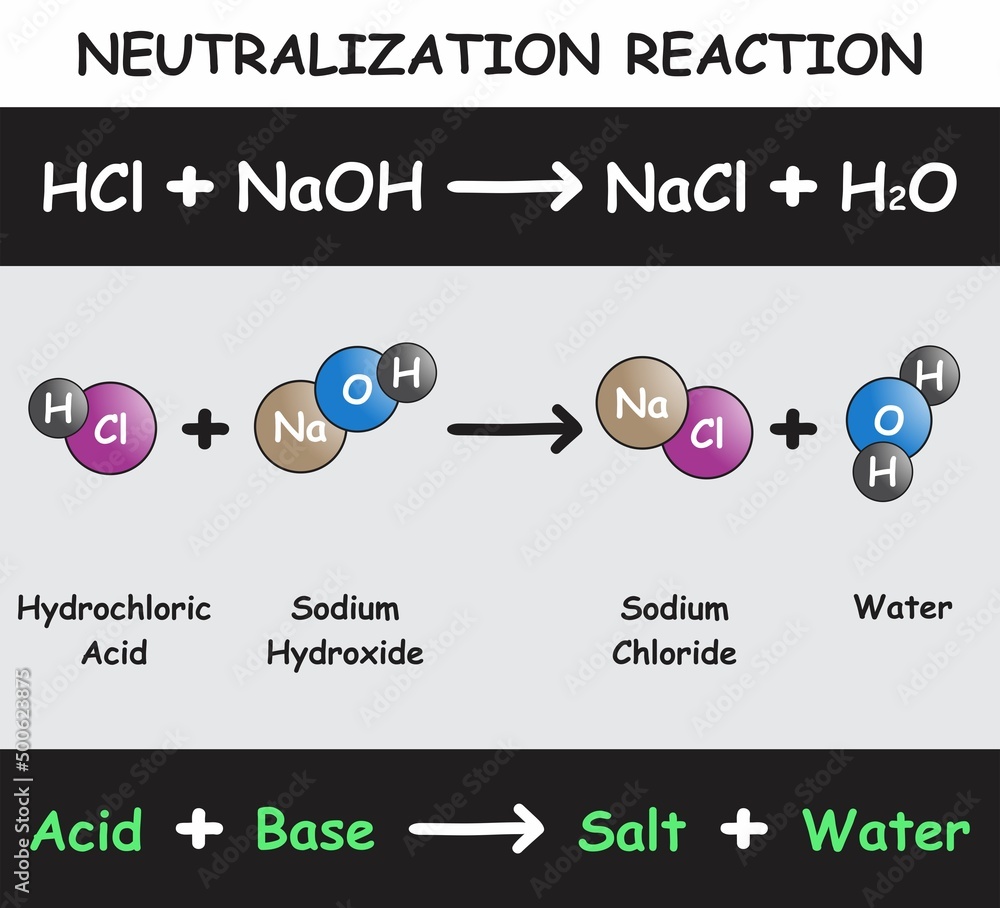
Neutralization Reaction Infographic Diagram with example of
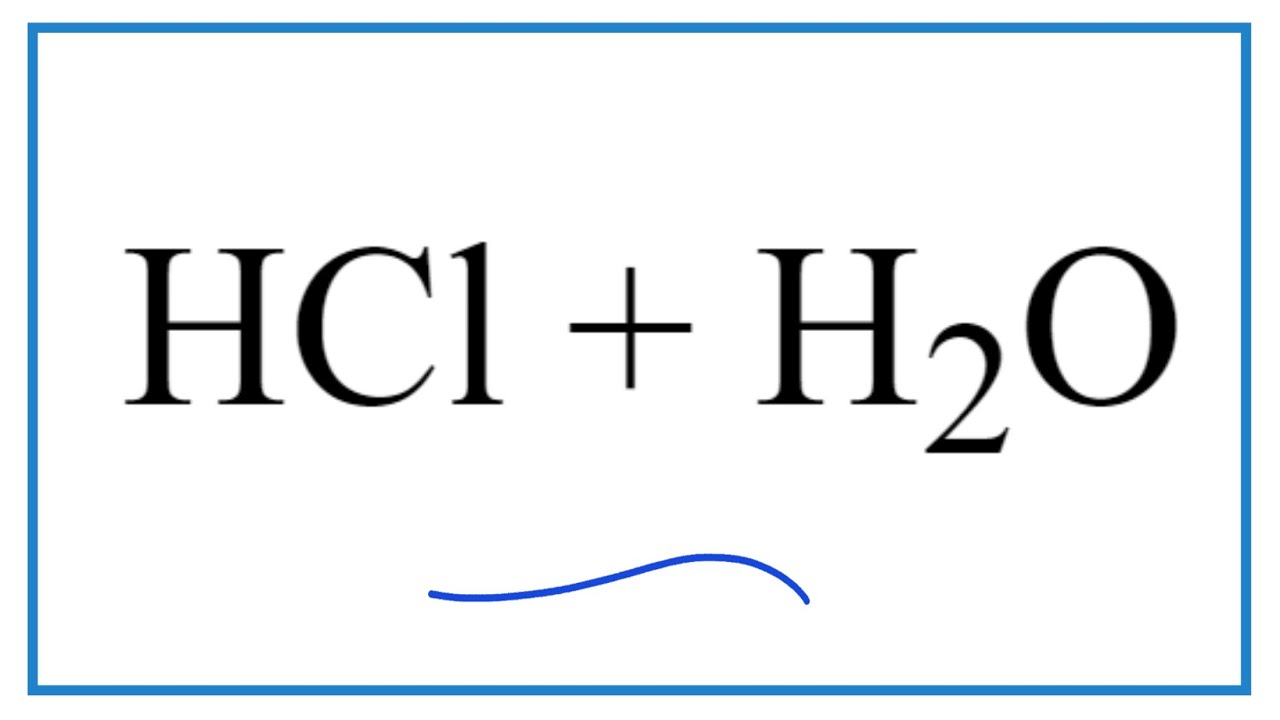
Complete The Chemical Equation For Acid Ionization Of Hydrochloric Hcl
Even In The Absence Of Water, Hydrogen Chloride Can Still Act As An Acid.
The Acid Dissociation Or Ionization Constant, K A, Is Large, Which Means Hcl Dissociates Or Ionizes Practically Completely In Water.
The Water Dissociation Constant Remains The Same Whether The Aqueous Solution Is Neutral, Acidic, Or Basic, I.e.:
The Ionization Of Hydrochloric Acid In Water Is Given Below:
Related Post: