
Blood Draw Central Line
Blood Draw Central Line - 4.3 applying the nursing process. Web review the steps of how to perform a proper central venous access draw (cvad) procedure here. Types include picc lines and implantable ports. University of iowa hospitals & clinics is an academic medical center with 860 hospital beds. After blood sampling, back flush into a vacutainer tube to clear any blood from the line. This can cause an infection. Web central venous catheters (cvc) are frequently used in critical care units, hemodialysis units, and oncology units for the administration of intravenous fluids, medications, blood products, parenteral nutrition, vasoactive medications, hemodialysis, and hemodynamic monitoring. Overview procedure details risks / benefits. Inject blood specimens into bottles. The line can send medicine or nutrition right into your bloodstream. Draw two sets of peripheral blood cultures (from different sites) and one set of cultures from the distal port of the line. Central venous catheters are placed for various reasons, such as inadequate peripheral venous access, hemodynamic monitoring, infusion of peripherally incompatible infusions, and extracorporeal therapies.[1] the standard sterile placement. For example, if drawing blood for blood cultures, agencies may require changing the cap before the blood draw to prevent contamination. There are various insertion sites for cvads (see figure 4.1[1]). 4.3 applying the nursing process. Web welcome to weber state's detailed tutorial on how to central line blood draw! Web an abstract is unavailable. Web central venous catheters (cvc) are frequently used in critical care units, hemodialysis units, and oncology units for the administration of intravenous fluids, medications, blood products, parenteral nutrition, vasoactive medications, hemodialysis, and hemodynamic monitoring. Web this video will demonstrate how to draw blood from a central line according to salem hospital procedure. Unfortunately, the presence of indwelling cvcs increases. Web a central line is often used instead of a standard iv line when you need treatment for longer than a week or so. The central line is usually placed in the chest area. Central lines help people in many different medical. Part of the line goes under the skin and enters a blood vessel several inches away. Web review. Web a central venous catheter is a long tube your provider places in a vein to give you treatments or draw blood. 4.3 applying the nursing process. A picc line requires careful care and monitoring for complications, including. Types include picc lines and ports. Dispose of vacutainer in biohazard waste and ensure that the tube is not mixed up with. Web this chapter covers all the steps recommended for safe phlebotomy and reiterates the accepted principles for blood drawing and blood collection ().the chapter includes background information (section 2.1), practical guidance (section 2.2) and illustrations (section 2.3) relevant to best practices in phlebotomy.the information given in this. Types include picc lines and implantable ports. Types include picc lines and ports.. It's generally used to give medications or liquid nutrition. Be careful, the pressurized bottles will aspirate all of the blood from the. Web central venous access (ie, insertion of a vascular catheter such that the tip terminates in a deep vein of the neck, chest, or abdomen) is a key component of this practice. Web review the steps of how. Sometimes, bacteria or other germs can enter the patient’s central line and enter their bloodstream. Web central venous access (ie, insertion of a vascular catheter such that the tip terminates in a deep vein of the neck, chest, or abdomen) is a key component of this practice. Web central venous catheters (cvc) are frequently used in critical care units, hemodialysis. Web blood drawing from indwelling arterial or central venous lines is done through a stopcock with a needleless access device on the sampling port. Overview procedure details risks / benefits. Be careful, the pressurized bottles will aspirate all of the blood from the. Web an abstract is unavailable. Part of the line goes under the skin and enters a blood. Types include picc lines and ports. A picc line requires careful care and monitoring for complications, including. Web a central line is an iv (intravenous) line that goes into a large blood vessel near the center of the body. Web this chapter covers all the steps recommended for safe phlebotomy and reiterates the accepted principles for blood drawing and blood. Unfortunately, the presence of indwelling cvcs increases. Central lines are used for giving medications, fluids, iv nutrition and drawing blood. Web central venous access is a procedure commonly performed for hospitalized patients with inherent risks. Web a central line is an iv (intravenous) line that goes into a large blood vessel near the center of the body. The line can. Implanted ports) or peripheral line. Web a picc line gives your doctor access to the large central veins near the heart. Change a cvad dressing and needleless connector. Web an abstract is unavailable. Indications include patients with multiple, incompatible intravenous (iv) medications with limited peripheral access, or who are being treated with vasoactive or phlebosclerotic agents which may not be. Types include picc lines and implantable ports. Blood draws via a central line catheter (picc, subclavian, tunneled) require a written physician’s order. Indications include patients with multiple, incompatible intravenous (iv) medications with limited peripheral access, or who are being treated with vasoactive or phlebosclerotic agents which may not be suitably cared for with a. Overview procedure details risks / benefits.. Web central venous catheterization (cvc) is a procedure frequently required in acute or critical care resuscitation. Web this video will demonstrate how to draw blood from a central line according to salem hospital procedure. Inject blood specimens into bottles. It's generally used to give medications or liquid nutrition. A picc line can help avoid the pain of frequent needle sticks and reduce the risk of irritation to the smaller veins in your arms. Some evidence suggests that obtaining two sets of blood cultures from two lumens of the central line could increase the sensitivity for central line infection ().however, obtaining more cultures will also serve. Part of the line goes under the skin and enters a blood vessel several inches away. After blood sampling, back flush into a vacutainer tube to clear any blood from the line. To draw blood, or for other reasons. There are various insertion sites for cvads (see figure 4.1[1]). Web obtaining blood samples, either via a venous stick or from a central line, is a critical nursing skill. Dispose of vacutainer in biohazard waste and ensure that the tube is not mixed up with those being. Web a picc line gives your doctor access to the large central veins near the heart. This can cause an infection. Ask your healthcare provider why you need the central line and which type you’ll get. Change a cvad dressing and needleless connector.
Drawing Blood from Central Line Stock Photo Image of health, arterial

PICC Line Blood Draw Explained E Phlebotomy Training

Blood Culture Collection via Central Line Procedure. YouTube

Central Line Blood Draw YouTube

Drawing a Central Line Blood Culture YouTube

Central Line Blood Draw F YouTube

Drawing blood from a picc line with surgical gloves (peripherally

Central Line Blood Draw YouTube

Drawing Blood and Administering Fluid of CVC YouTube
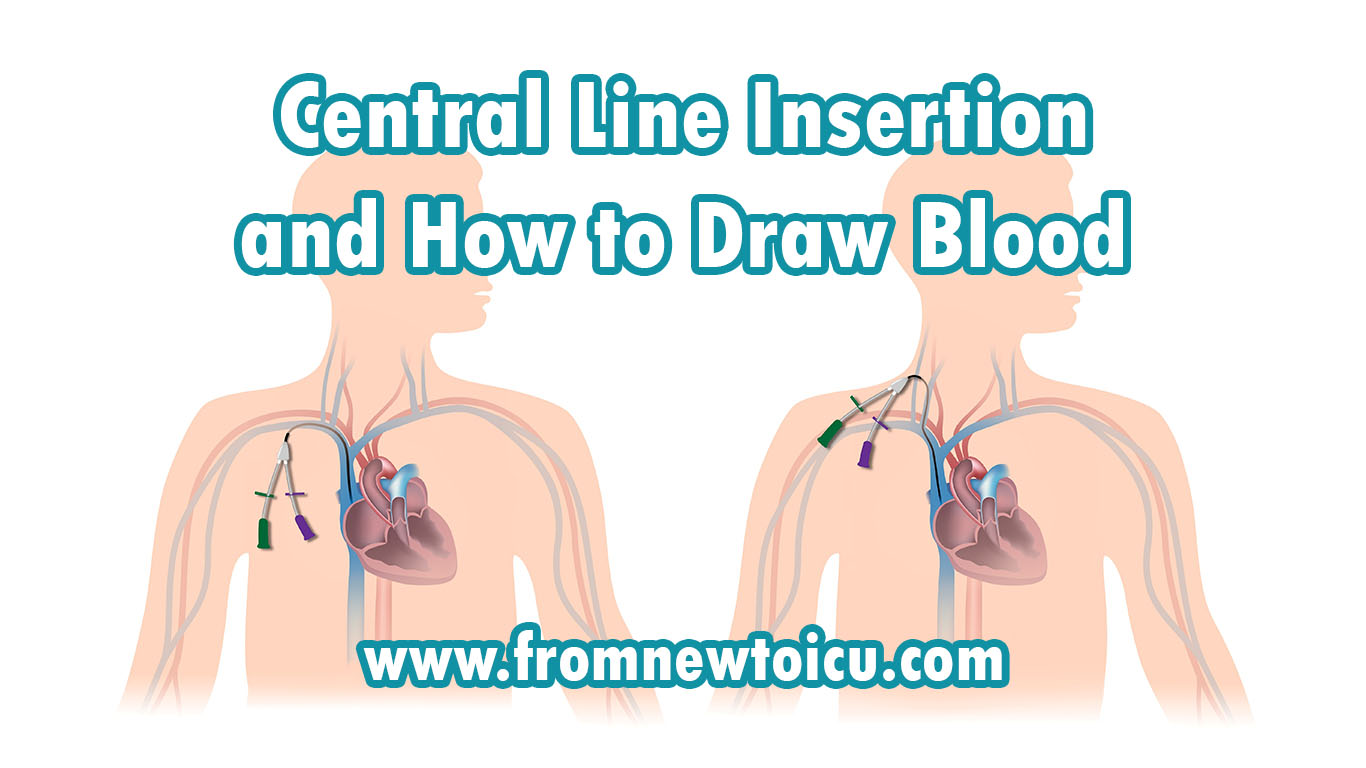
Central Line Insertion and How to Draw Blood — From New to ICU South
Central Venous Catheters Are Placed For Various Reasons, Such As Inadequate Peripheral Venous Access, Hemodynamic Monitoring, Infusion Of Peripherally Incompatible Infusions, And Extracorporeal Therapies.[1] The Standard Sterile Placement.
Types Include Picc Lines And Implantable Ports.
4.3 Applying The Nursing Process.
Blood Draws Via Central Line Catheters May Be Performed Only By Rns Trained In
Related Post: